

Choosing between platinum and gold is one of the most common decisions in fine jewelry and also one of the most misunderstood. Most buyers focus on price alone. However, price is only one factor among several that genuinely affect how a piece looks, feels, and holds up over years of daily wear. This guide covers all of them clearly.
Platinum vs Gold Comparison
| Feature | Platinum | Gold |
|---|---|---|
| Purity in jewelry | 95% pure (950 Pt) | 58.3% pure (14k) or 75% pure (18k) |
| Durability | Higher displaces rather than loses metal | Good but wears down slightly over time |
| Scratch resistance | Scratches but retains metal | Scratches and loses trace metal |
| Weight | Heavier | Lighter |
| Color options | Naturally white only | Yellow, white, and rose gold |
| Hypoallergenic | Yes, naturally. | It depends on alloy; nickel can cause reactions |
| Maintenance | Low, no re-plating needed | White gold requires rhodium re-plating |
| Price | Higher | More accessible |
| Resale value | More moderate liquid than gold | Strongly widely traded commodity |
| Best for | Daily wear rings, sensitive skin | Color variety, budget flexibility |
Platinum Jewelry

Platinum is a naturally white precious metal and one of the rarest on earth. Most jewelry-grade platinum is 95% pure, stamped as 950 Pt, with the remaining 5% composed of palladium, cobalt, or iridium to add workability. That level of purity is significantly higher than most gold used in jewelry and contributes directly to platinum’s durability and hypoallergenic reputation.
How Platinum Wears Over Time
Platinum does not lose metal when it scratches. Instead, the metal displaces and creates a surface texture called a patina, a soft, slightly matte finish that develops over years of wear. Many buyers appreciate this aged appearance because it feels organic rather than worn out. For those who prefer the original polished look, a professional buff by a jeweler restores the shine quickly and without any material loss. This is one of platinum’s most underappreciated qualities: the metal stays whole.
Gold Jewelry

Gold in its pure form is too soft for everyday wear, so it is always alloyed with other metals to improve hardness and durability. The karat system describes the gold content of the alloy. Understanding karat makes a direct difference to how a gold piece looks, feels, and lasts.
Gold Karat Guide: 14k, 18k and 24k
24k gold is 99.9% pure gold. It has a rich, deep yellow tone but is far too soft for jewelry intended for daily wear. It bends, dents, and scratches easily and is generally used for investment bullion rather than rings or bracelets.
18k gold contains 75% pure gold mixed with 25% other metals. It has a warm, rich color and is durable enough for fine jewelry. Most popular engagement rings and fine jewelry pieces use 18k gold as a benchmark for quality.
14k gold contains 58.3% pure gold. It is harder, more scratch-resistant, and considerably more affordable than 18k. Additionally, it is the most common choice for everyday jewelry in the United States because it balances durability with cost effectively.
Yellow Gold, White Gold and Rose Gold
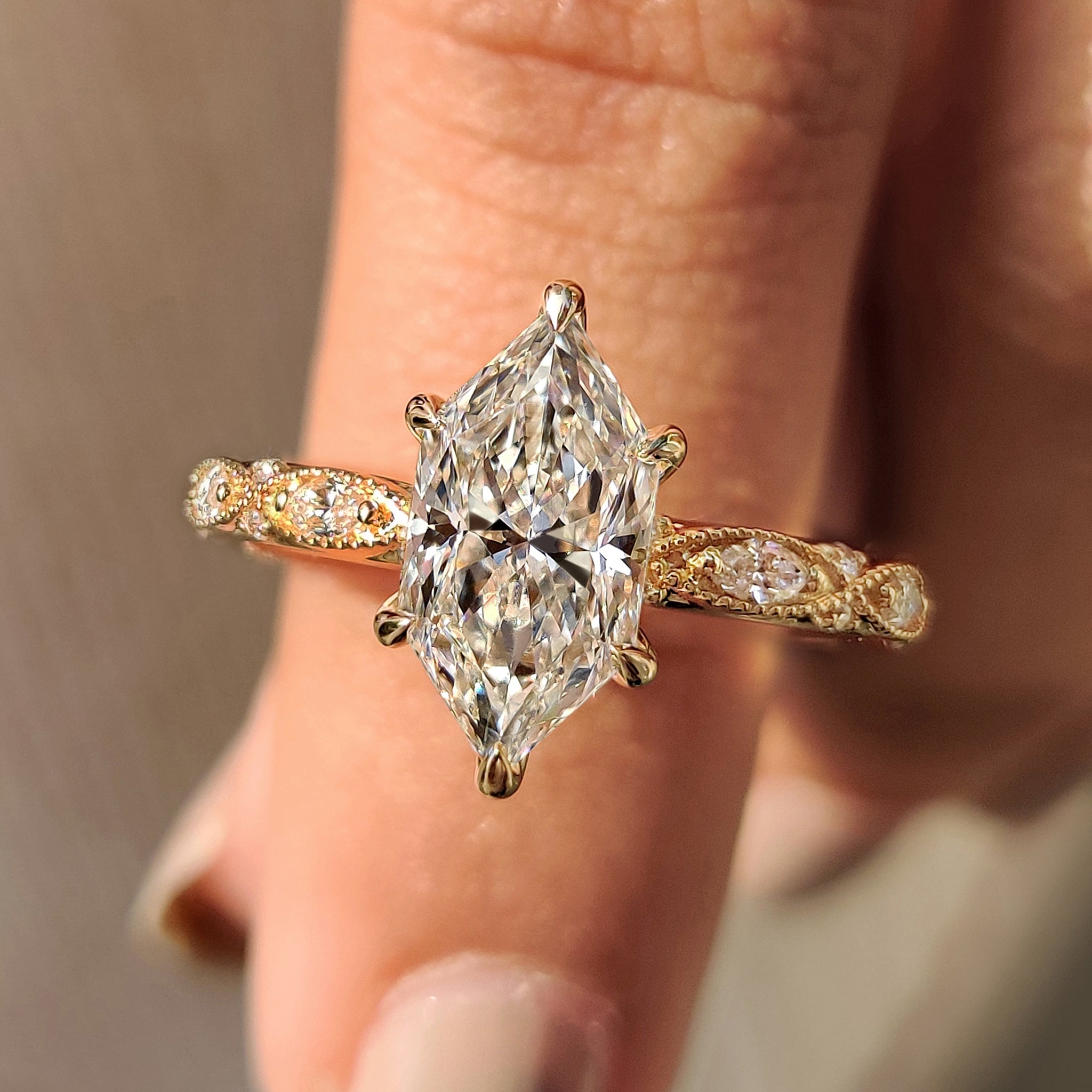
Dutch Marquise Vintage Diamond Engagement Ring
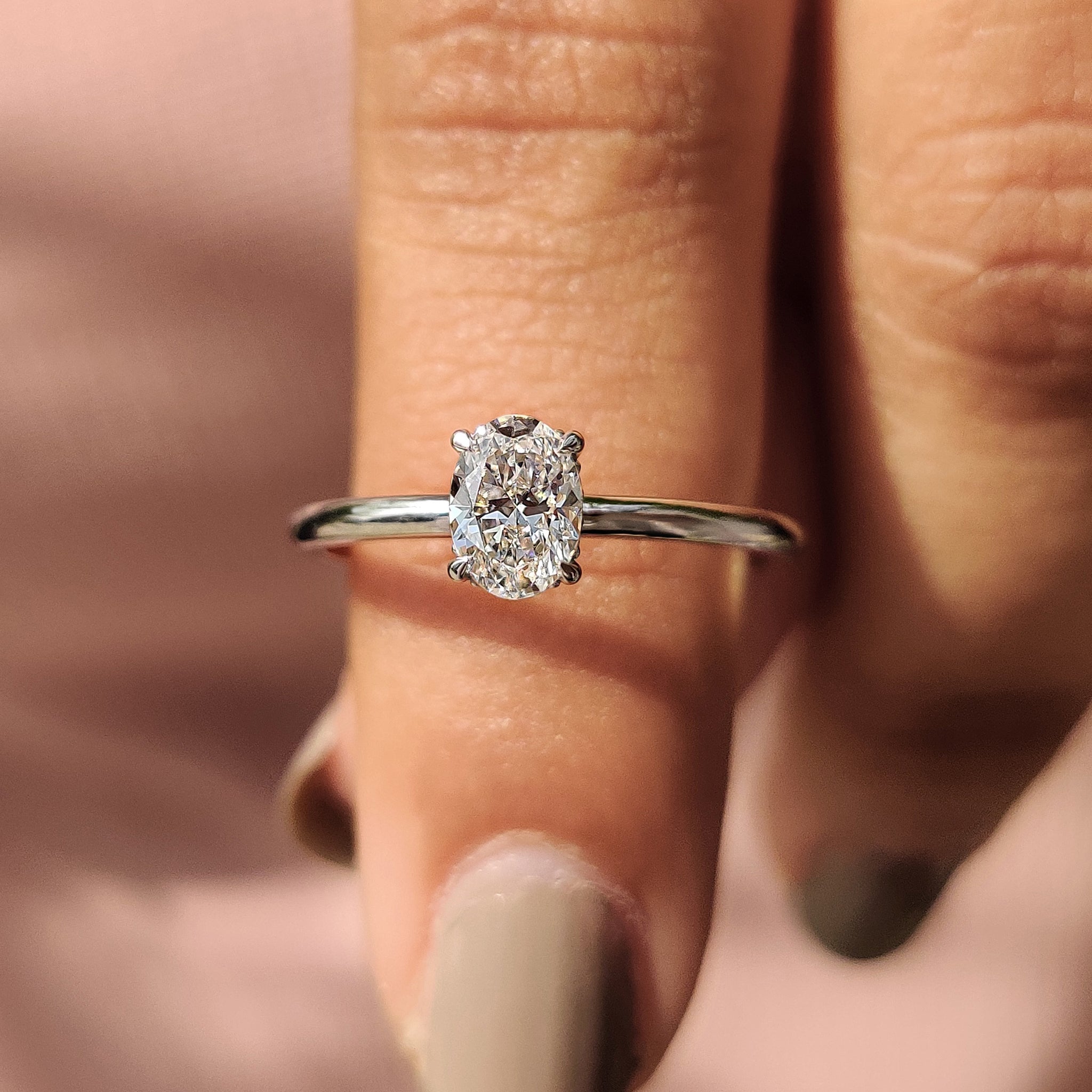
Oval Solitaire Engagement Ring With Hidden Halo
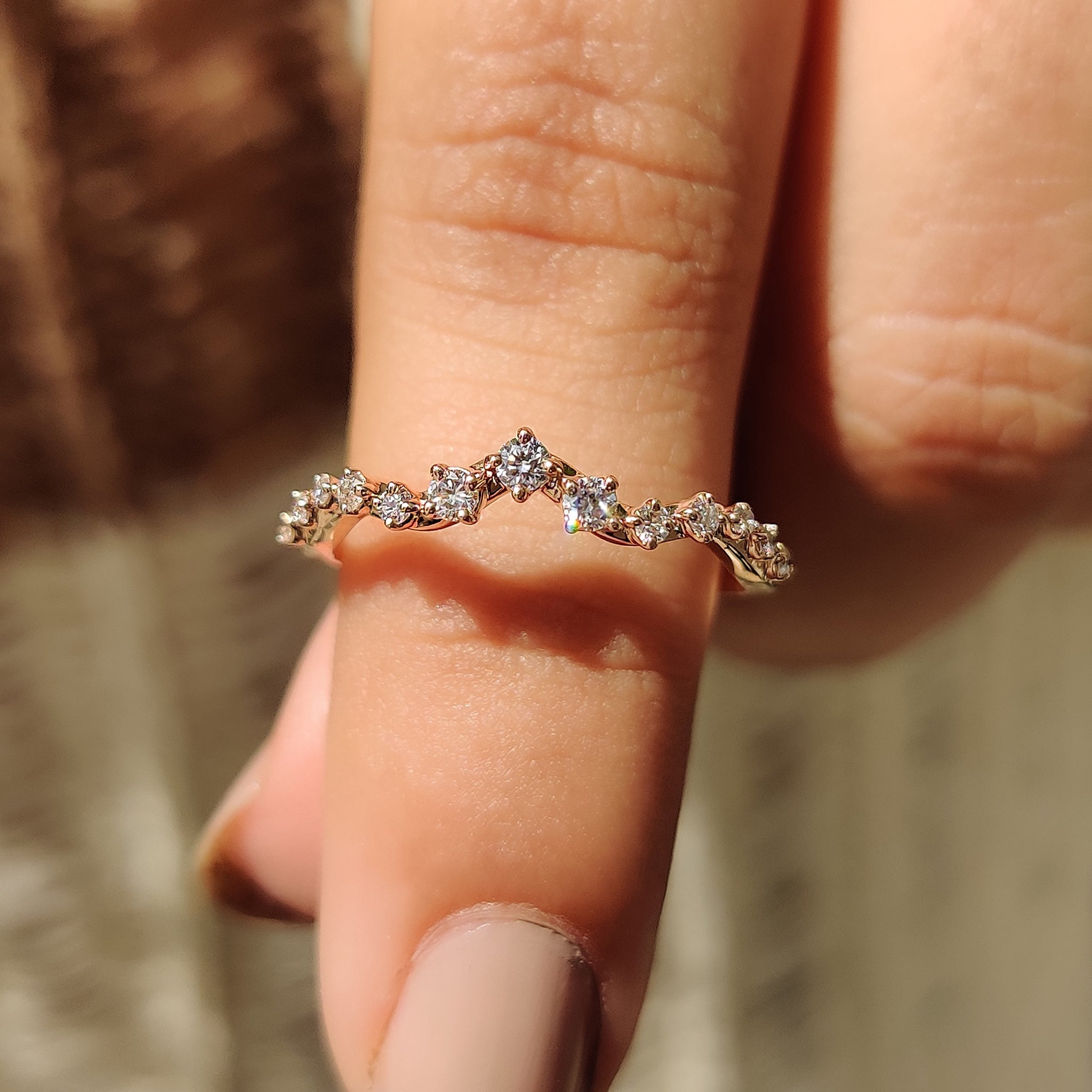
Rose Gold Diamond Wedding band With Curved Style
Yellow gold is gold in its most traditional form, alloyed with silver and copper. It requires no plating, develops minimal color change over time, and suits warm and medium skin tones particularly well.
White gold is gold alloyed with palladium or silver and then coated in rhodium to achieve its bright white finish. Because rhodium plating wears down gradually, white gold typically requires re-plating every one to three years depending on wear frequency. The process is straightforward and relatively affordable at most jewelers, but it is a maintenance commitment yellow gold and platinum do not require.
Rose gold is gold alloyed with copper, which produces the pink-to-blush tone the metal is known for. No plating is required, and the color deepens slightly over time as the copper surface develops. Rose gold has grown considerably in popularity because it flatters a wide range of skin tones and pairs naturally with both vintage and modern ring styles.
Durability: Which Metal Actually Lasts Longer?
Platinum is more durable than gold over the long term. Because platinum displaces rather than removes metal when scratched, a platinum ring retains its total weight indefinitely. Gold, by contrast, loses trace amounts of metal with each scratch, which gradually reduces its overall mass over decades of wear. The difference is subtle for most wearers, but it is measurable over a lifetime.
Additionally, platinum holds prong settings more securely than gold because of its density. For engagement rings or pieces with significant center stones, this structural integrity is a practical benefit worth considering.
Gold is still highly durable in the right karat. An 18k or 14k gold ring worn with normal care will last a lifetime without structural failure. The difference between the two metals is more about long-term surface wear than functional durability.
Hypoallergenic Properties
Platinum is naturally hypoallergenic and suitable for virtually all skin types. It contains no nickel, no copper, and no irritating alloys-just platinum and trace inert metals. For buyers with sensitive skin or documented metal allergies, platinum removes the uncertainty entirely.
Gold is more variable. Pure 24k gold is also hypoallergenic, but few pieces are made from it for practical reasons. White gold alloys often contain nickel, which is one of the most common contact allergens in jewelry. If you or your partner have experienced reactions to jewelry in the past, choosing nickel-free alloys or moving to platinum eliminates the risk. Yellow gold and rose gold alloys are generally less likely to cause reactions than white gold, though individual sensitivities vary.
Weight and Wearability
Platinum is approximately 60% heavier than gold at the same volume. In a ring, this translates to a noticeably more substantial feel. Many buyers associate this weight with quality, and for pieces like a wedding band or engagement ring, the heft can feel appropriate and considered.
However, weight preference is personal. For earrings, pendants, and bracelets worn throughout the day, gold’s lighter feel is genuinely more comfortable for many wearers. The difference matters less in rings, where the piece stays relatively static. For jewelry that moves with the body, gold often provides a more comfortable wearing experience.
Price and Long-Term Value
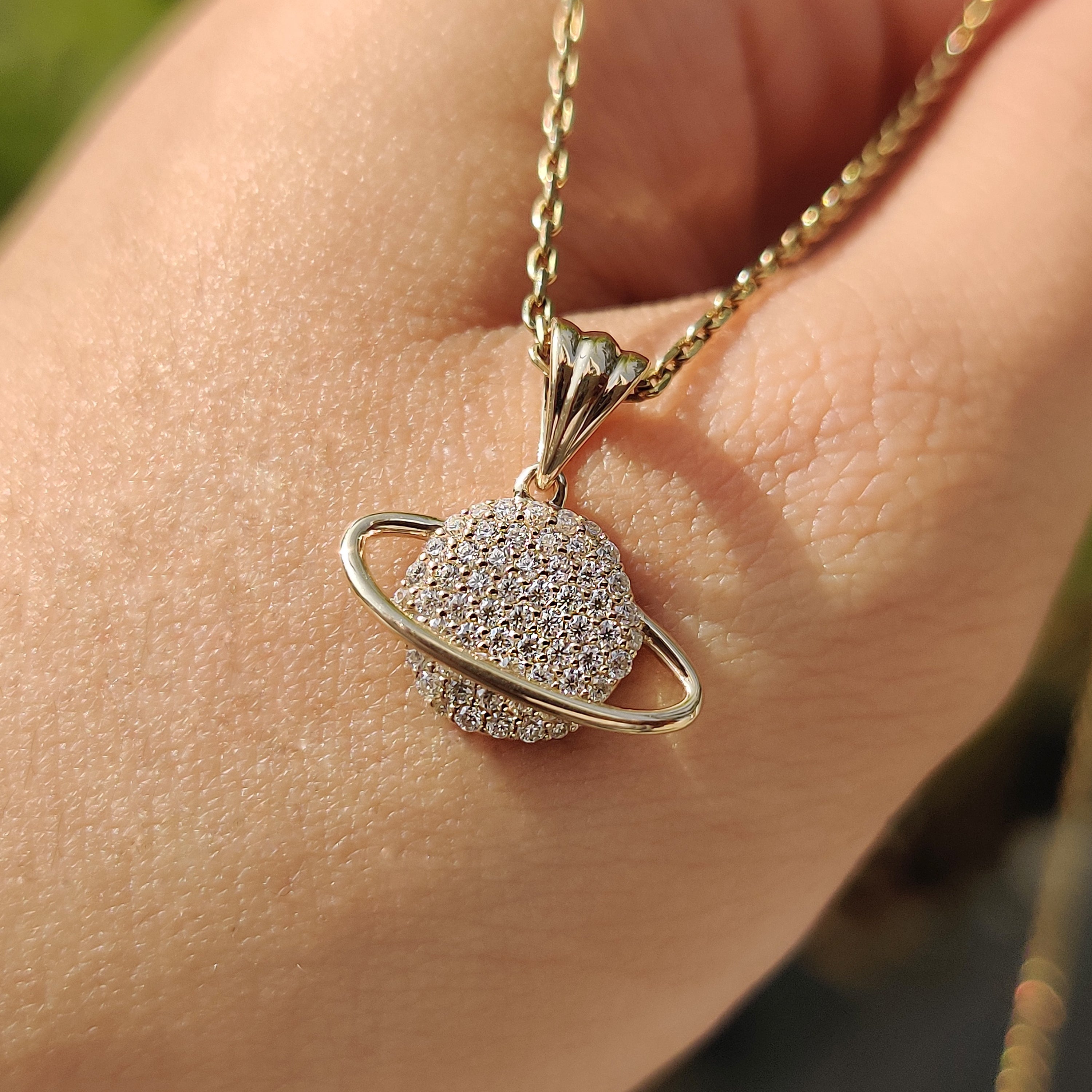
Round Diamond Gold Saturn Pendant
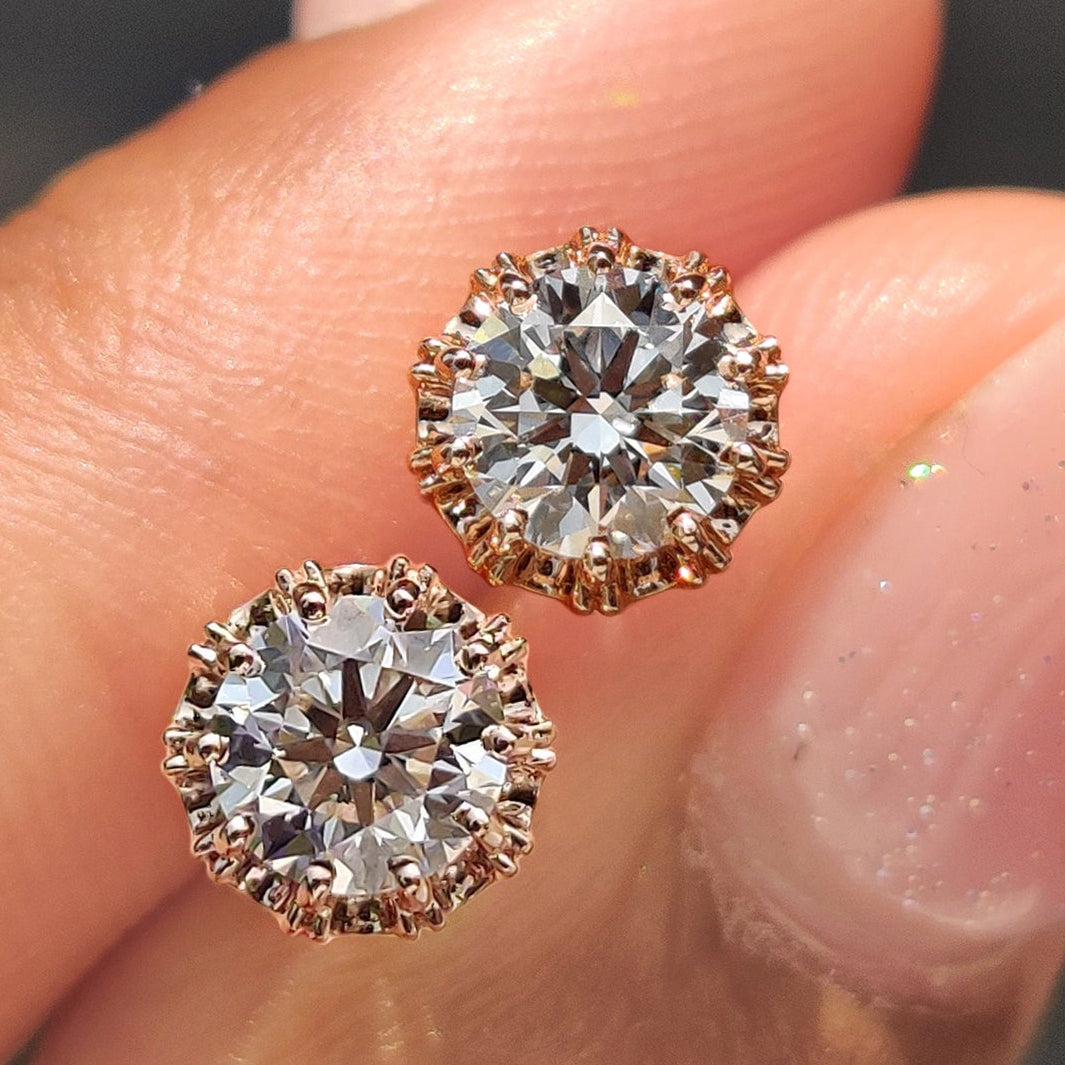
Round Diamond Rose Gold Stud Earrings
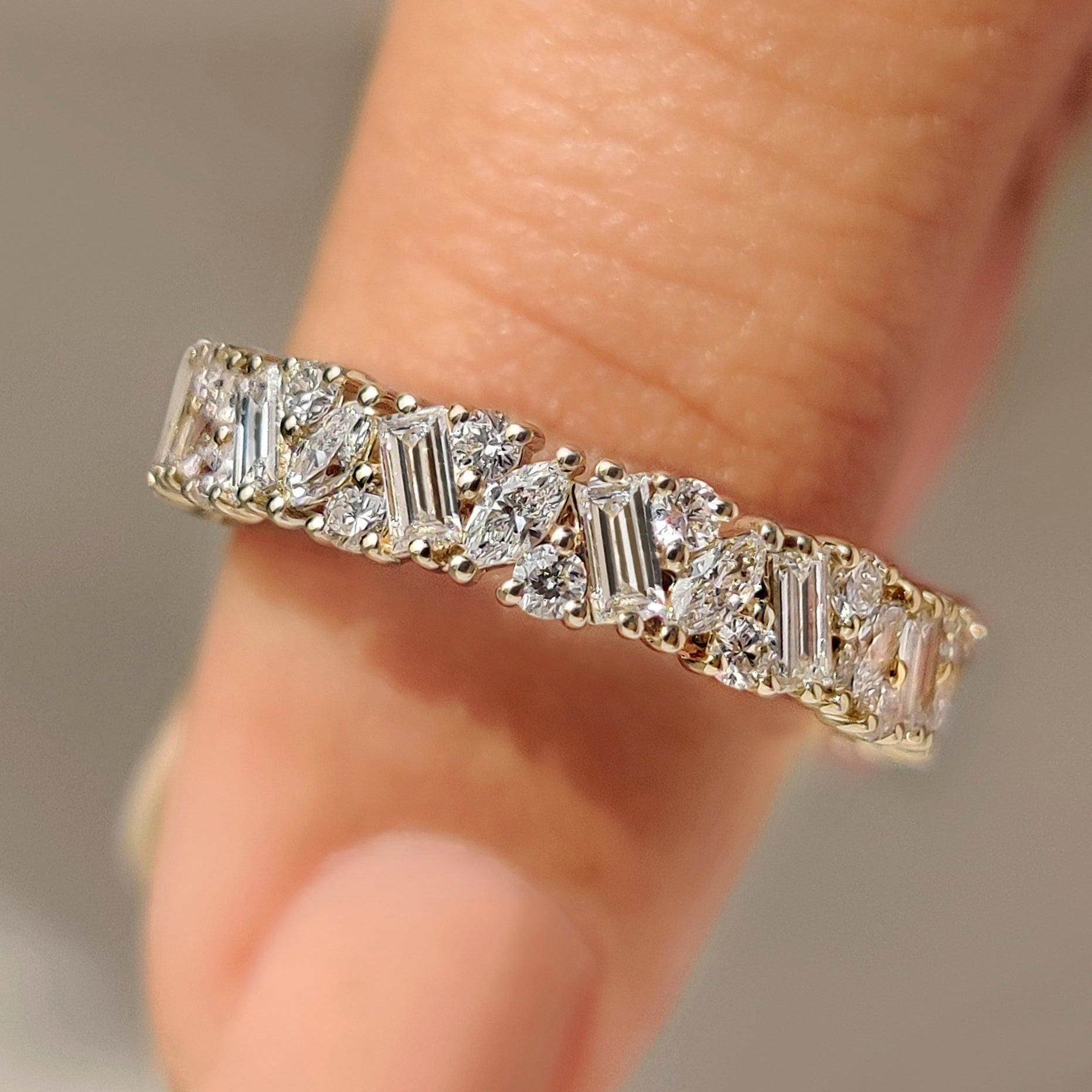
Marquise, Baguette and Round Diamond Full Eternity Band
Why Platinum Costs More
Platinum is more expensive than gold for three reasons. First, it is rarer; annual platinum production is a small fraction of gold production globally. Second, it is denser, so a platinum ring requires more raw material by weight than the same ring in gold. Third, its high melting point makes it more labor-intensive to work with, which increases manufacturing costs.
The price premium for platinum over 18k gold typically ranges from 20% to 40% depending on design complexity and market conditions.
Gold as a Financial Asset
Gold carries a well-established resale market and is traded globally as a commodity. This jewelry can be sold, melted, or traded with relative ease, making it a more liquid asset than platinum. For buyers who view their jewelry as a long-term financial consideration, this flexibility is a genuine advantage.
Platinum holds value over time but is less liquid. The resale market for platinum jewelry is smaller, and buyers selling pre-owned platinum pieces may find fewer buyers than they would for comparable gold items.
Maintenance Requirements
Caring for Platinum
Platinum requires minimal maintenance compared to gold. It does not need re-plating, does not tarnish, and maintains its naturally white color without treatment. A professional clean and polish once a year or whenever the patina accumulates beyond your preference is generally all a platinum piece requires. For cleaning guidelines, Our jewelry care guide covers safe home cleaning and professional maintenance recommendations.
Caring for Gold and White Gold
Yellow gold and rose gold need regular cleaning to maintain their luster, though neither requires plating. A gentle clean with warm water, mild soap, and a soft brush handles everyday buildup effectively.
White gold requires one additional step: periodic rhodium re-plating. The rhodium coating that gives white gold its bright finish gradually wears away, revealing the warmer-toned alloy underneath. Most jewelers offer re-plating for a modest cost, and the process takes less than a day. For high-wear pieces like engagement rings and wedding bands, budgeting for re-plating every one to two years is realistic.
Which Metal Is Best for Engagement Rings?
Platinum is the most practical metal for an engagement ring worn daily. Its combination of durability, hypoallergenic properties, secure stone setting, and no-maintenance color makes it a strong choice for a ring that will see everyday wear for decades. The higher upfront cost is often justified when spread across the lifetime of the piece.
That said, gold offers advantages that genuinely suit many buyers. If color matters, and for many people it does, yellow or rose gold creates a warmer, more personal aesthetic that platinum cannot replicate. Additionally, 18k gold in a well-made setting performs reliably for daily wear without meaningful compromise. For buyers who want color variety or a lower starting price, gold engagement rings are a sound and lasting choice.
Browse the full engagement ring collection at Carat Diamonds for styles in both platinum and gold, available with lab grown diamonds and moissanite center stones.
Which Metal Is Best for Wedding Bands?
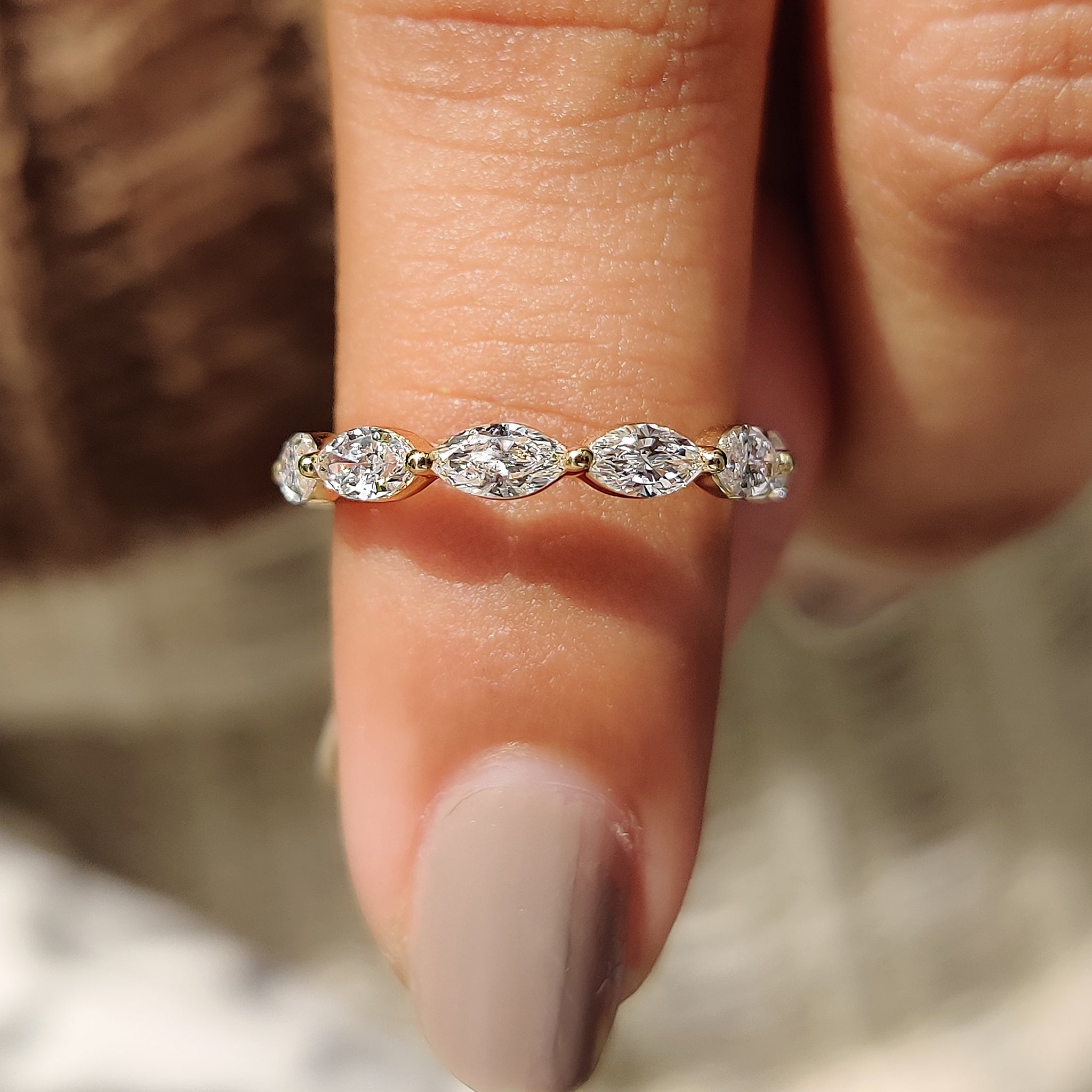
Gold Marquise Wedding Band In Eternity Style
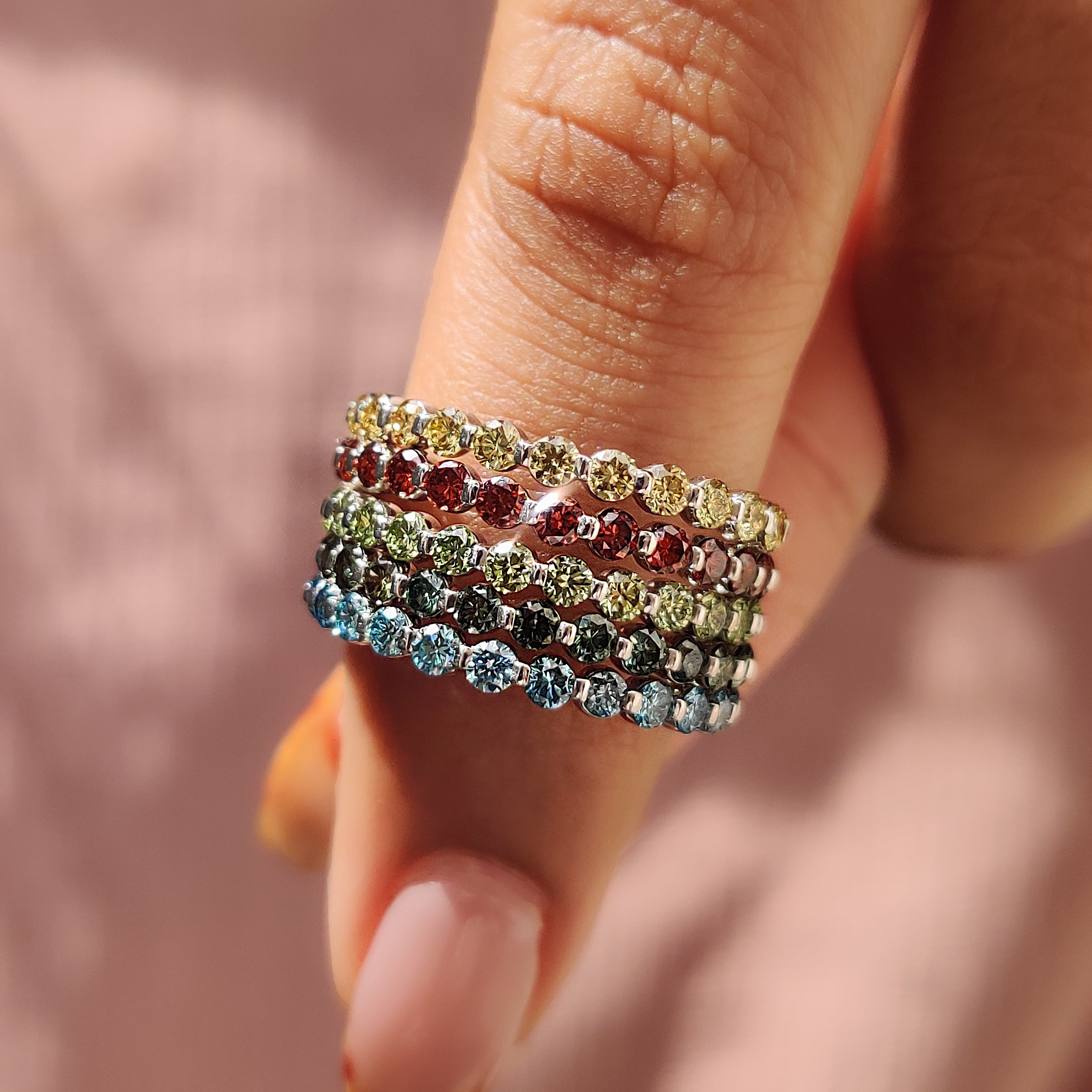
Stackable Wedding Bands In Colored Diamonds
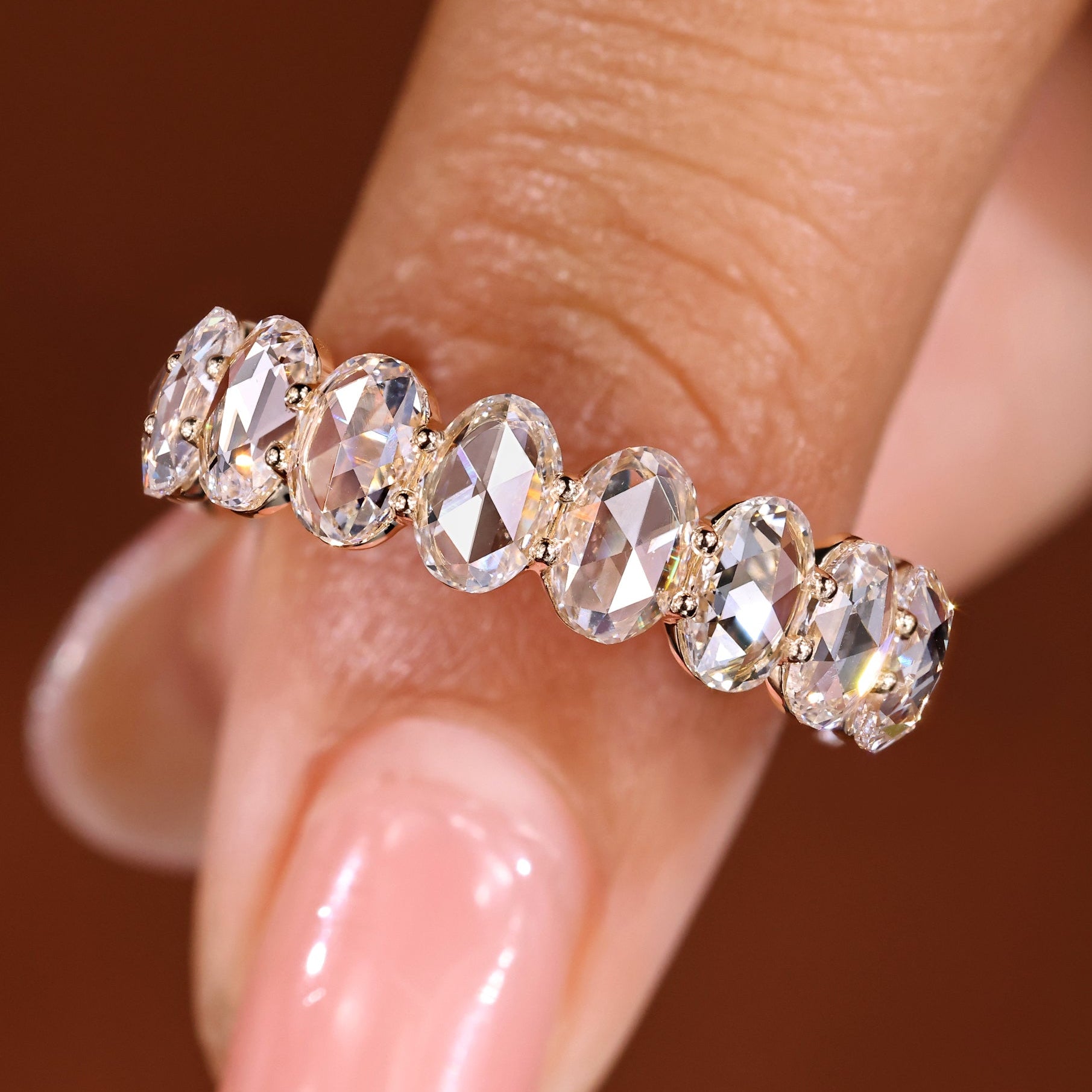
Oval Rose Cut Diamond Eternity Band with Shared Prong
The same factors that apply to engagement rings apply to wedding bands, with one additional consideration: matching. If one partner’s engagement ring is platinum, a platinum wedding band pairs most cleanly. Similarly, a gold engagement ring typically suits a matching gold band.
For couples who prefer to mix metals, a white gold band sits alongside a platinum ring with minimal visible difference when new, though the two metals may develop different tones over years of wear. For men’s wedding bands specifically, the weight and durability of platinum are popular choices.
Which Metal Works Best for Lab Grown Diamonds?
Both platinum and gold complement lab grown diamonds beautifully, and the choice comes down to the same factors as with natural diamonds. However, a few practical points are worth noting.
Platinum’s naturally white color enhances the brightness of colorless lab grown diamonds grades D through H more effectively than white gold, which can take on a slight warmth as its rhodium plating wears. For buyers who choose a lab grown diamond in a higher color grade and want to preserve that crisp white appearance in the setting, platinum delivers consistently over time.
White gold is a strong alternative that achieves a similar look at a lower price, provided the buyer is comfortable with periodic re-plating. Yellow gold and rose gold settings, by contrast, intentionally introduce warmth against the diamond, which many buyers find flattering and aesthetically interesting rather than a compromise. The diamond’s color grade matters less in these settings because the contrast is part of the design.
For a complete overview of lab grown diamonds, Read our lab grown diamond education page. It covers cut, color, clarity, and certification in detail.
Platinum vs Gold: Which Should You Choose?
Choose platinum if you want a durable, low-maintenance, hypoallergenic metal with a naturally white color that never requires re-plating. It suits buyers who prioritize longevity, those with sensitive skin, and anyone who wants the most secure setting for a significant center stone.
Choose gold if color variety matters to you, your budget requires a lower starting price, or you want the flexibility of yellow, white, or rose gold aesthetics. Gold in 14k or 18k is entirely practical for daily wear, widely available, and easier to resize and service than platinum.
Neither metal is objectively superior. They suit different buyers for different reasons, and the best choice is the one that fits how you will actually wear and care for your ring.
Conclusion
Platinum and gold are both excellent metals for fine jewelry, and both have legitimate advantages that make them the right choice in different situations. Platinum offers more durability, zero-maintenance color retention, and natural hypoallergenic properties. Gold offers more color options, a lower price, and stronger resale liquidity. The decision ultimately comes down to what you wear daily, what you prefer aesthetically, and what fits your budget.
If you want guidance on which metal works best with your chosen stone and setting, the custom design team at Carat Diamonds can walk you through the options for your specific ring.
Choose the Metal That Fits Your Style
Compare platinum and gold with confidence, or let Carat Diamonds help you create the perfect ring.


