

When shopping for a diamond, most buyers are introduced to the famous 4Cs: Cut, Color, Clarity, and Carat Weight. While these characteristics are important, they are only part of the story. Focusing exclusively on the 4Cs can sometimes lead buyers to overlook other factors that significantly impact a diamond's beauty, value, durability, and long-term satisfaction.
Many consumers end up paying premiums for features that are difficult to notice with the naked eye while ignoring details that can dramatically affect how a diamond looks in everyday wear. Whether you are purchasing an engagement ring, anniversary gift, or investment piece, understanding the full picture can help you make a more informed decision.
This guide explores 10 important factors to consider when buying a diamond, helping you balance appearance, quality, budget, and confidence throughout the buying process.
1. Cut Quality: The Sparkle Multiplier
Among all diamond characteristics, cut quality has the greatest influence on a diamond's overall beauty. A well-cut diamond reflects light efficiently, creating brilliance, fire, and scintillation. Even a diamond with excellent color and clarity may appear dull if its cut quality is poor.

Diamond cut refers to how accurately a diamond's facets interact with light. Proper proportions, symmetry, and polish work together to maximize sparkle. Diamonds with Excellent or Ideal cut grades typically deliver superior visual performance compared to those with Good or Fair grades.
A common misconception is that a larger diamond automatically appears more impressive. In reality, a smaller diamond with exceptional cut quality often appears brighter and more attractive than a larger diamond with poor proportions.
2. Carat Weight: Size vs. Value
Carat weight measures a diamond's weight, not its physical dimensions. One carat equals 200 milligrams. While larger diamonds are generally more expensive, pricing does not increase in a linear manner.

Diamond prices often jump dramatically at popular milestone weights such as 0.50 carats, 1.00 carats, and 2.00 carats. This means that two diamonds with nearly identical appearances may have significantly different prices simply because one crosses a popular weight threshold.
Savvy buyers often choose diamonds slightly below these benchmark weights. For example, a 0.90-carat diamond can appear nearly identical in size to a 1.00-carat diamond while costing considerably less.
3. Color Grade: Finding the Sweet Spot
Diamond color is graded on a scale from D to Z. Diamonds graded D through F are considered colorless, while G through J are classified as near-colorless.

Although colorless diamonds are highly desirable, many buyers struggle to distinguish between a D-color and a G-color diamond without specialized equipment. In many engagement ring settings, especially when viewed face-up, the difference can be minimal.
Metal choice also affects perceived color. Yellow gold settings can make slight color variations less noticeable, while platinum and white gold settings may emphasize color differences.
For buyers seeking the best balance between beauty and affordability, near-colorless diamonds often represent excellent value.
4. Clarity: Eye-Clean Matters Most
Clarity refers to the presence of internal characteristics known as inclusions and external features called blemishes. Diamonds are graded from Flawless (FL) to Included (I).

Many shoppers assume higher clarity automatically means a more beautiful diamond. However, this is not always true. Inclusions are often microscopic and invisible without magnification.
An eye-clean diamond appears free of noticeable inclusions when viewed under normal conditions. For most buyers, eye-clean clarity provides the best value because it delivers a visually flawless appearance without the premium associated with higher grades.
Instead of focusing solely on laboratory perfection, consider how the diamond appears in real-world conditions.
5. Certification: Your Proof of Quality
Diamond certification provides independent verification of a diamond's characteristics. A grading report serves as an objective assessment, helping buyers compare diamonds accurately and confidently.

Respected grading laboratories include:
- GIA (Gemological Institute of America)
- IGI (International Gemological Institute)
- AGS (American Gem Society)
A grading report typically includes information about cut, color, clarity, carat weight, measurements, fluorescence, polish, symmetry, and identifying features.
Certification is especially important when purchasing diamonds online, where buyers cannot physically inspect the stone before making a decision.
6. Fluorescence: Helpful or Harmful?
Fluorescence is a natural characteristic that causes some diamonds to emit a soft glow when exposed to ultraviolet light. While it is often misunderstood, fluorescence is not inherently good or bad.

In certain cases, faint to medium fluorescence can make lower-color diamonds appear whiter, improving their visual appeal. However, very strong fluorescence may occasionally cause a diamond to appear hazy or less transparent.
Because fluorescence affects diamonds differently, it is important to evaluate each stone individually rather than relying solely on the report.
7. Shape: More Than Personal Preference
Diamond shape influences appearance, sparkle, perceived size, and price. While personal preference plays a major role, understanding how different shapes perform can help buyers make better decisions.
| Shape | Best for | Budget factor |
|---|---|---|
| Round Brilliant | Classic, maximum sparkle | Highest price per carat |
| Oval | Elongates fingers, faces up large | 20–30% less than round |
| Cushion | Soft, romantic, vintage feel | 20–25% less than round |
| Emerald | Sleek, architectural, unique | 25–35% less than round |
| Pear | Distinctive, elongated, elegant | 20–30% less than round |
| Marquise | Makes fingers look slender | 25–35% less than round |
Different shapes also have varying price structures. Round diamonds typically command the highest premiums due to demand and cutting efficiency.
8. Setting and Metal Choice
The setting plays a major role in both the appearance and protection of a diamond. Even the most beautiful diamond can lose visual impact if paired with an unsuitable setting.
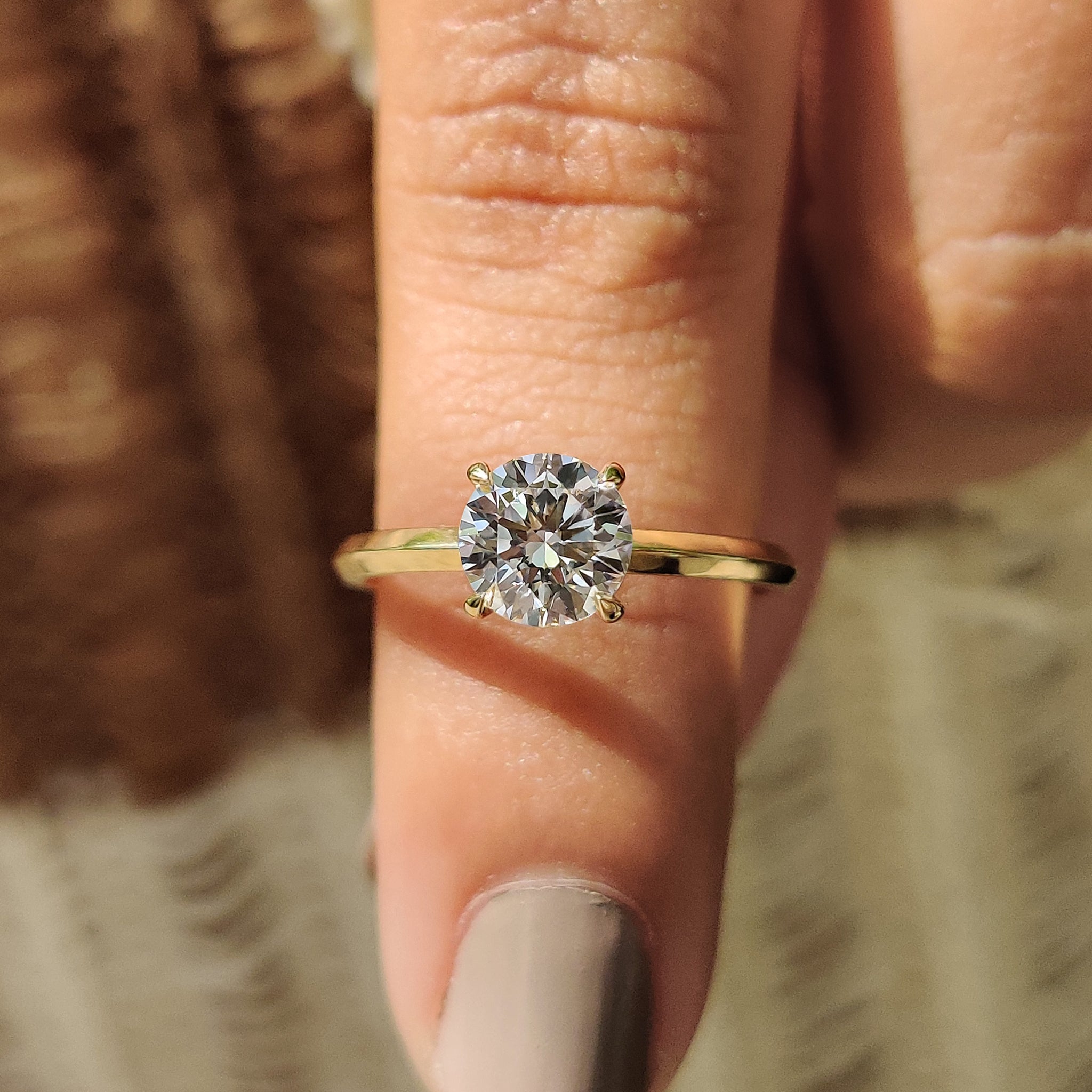
Round Diamond Engagement Ring With Solitaire Style
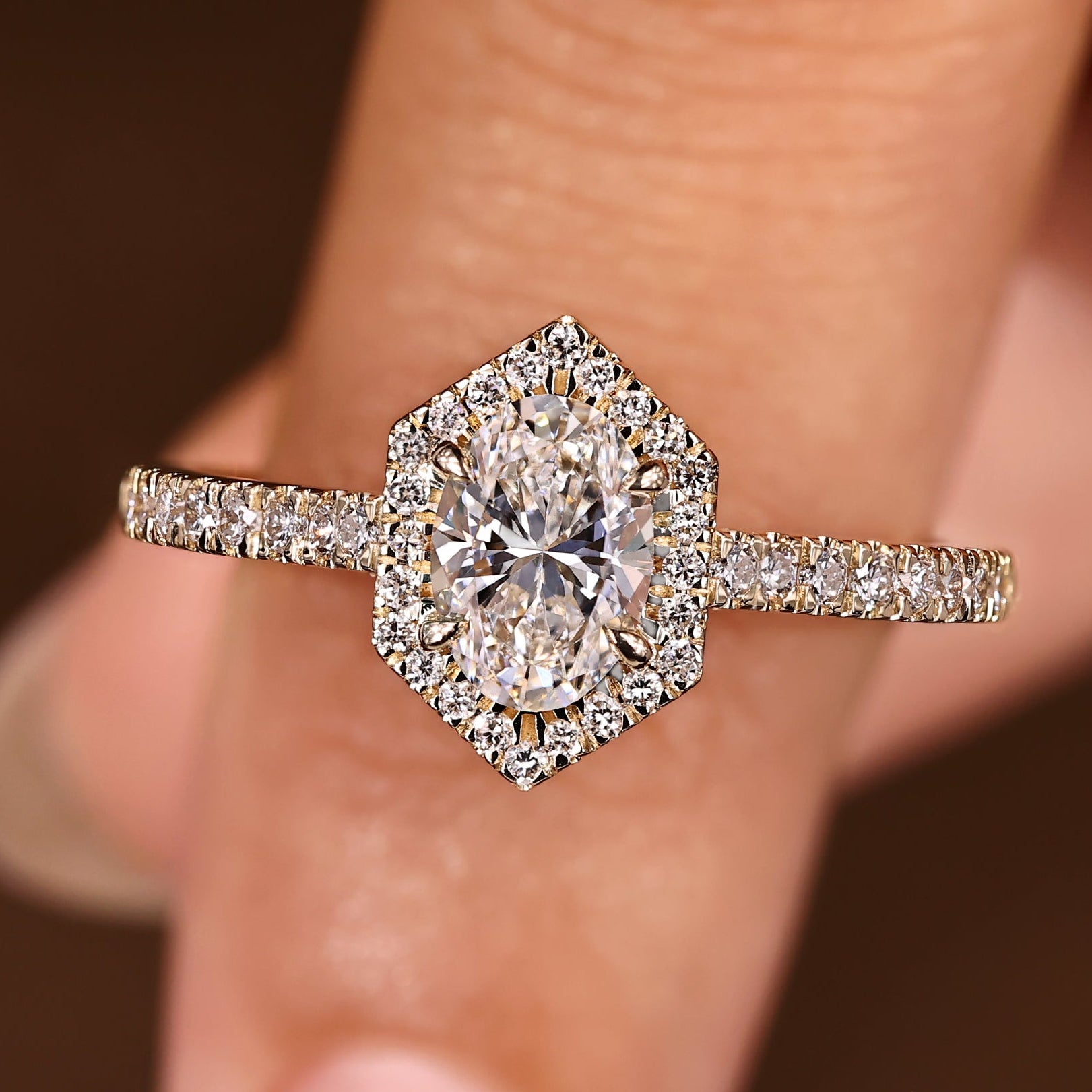
Oval Engagement Ring with Halo Setting
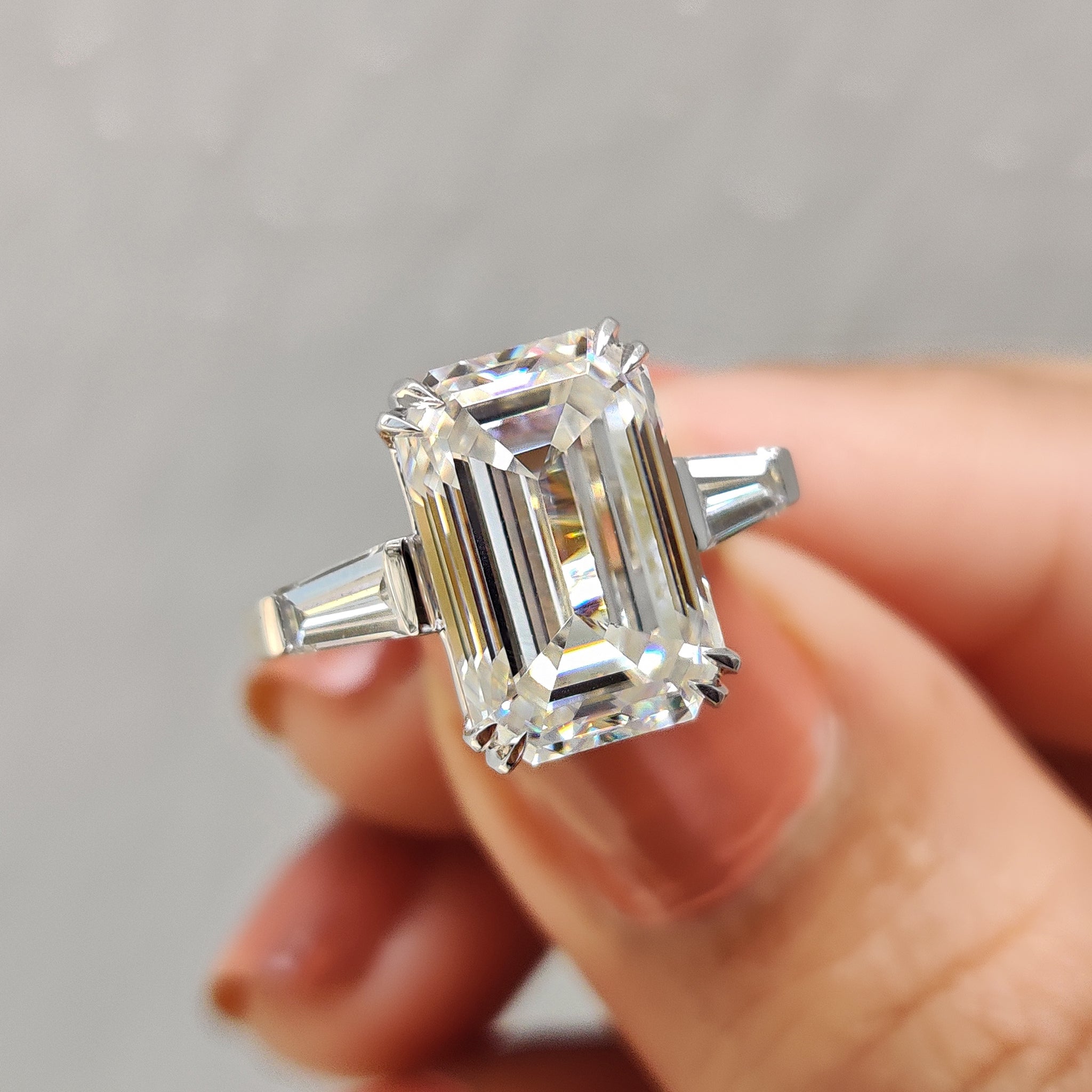
Emerald Cut Engagement Ring With Three Stone Style
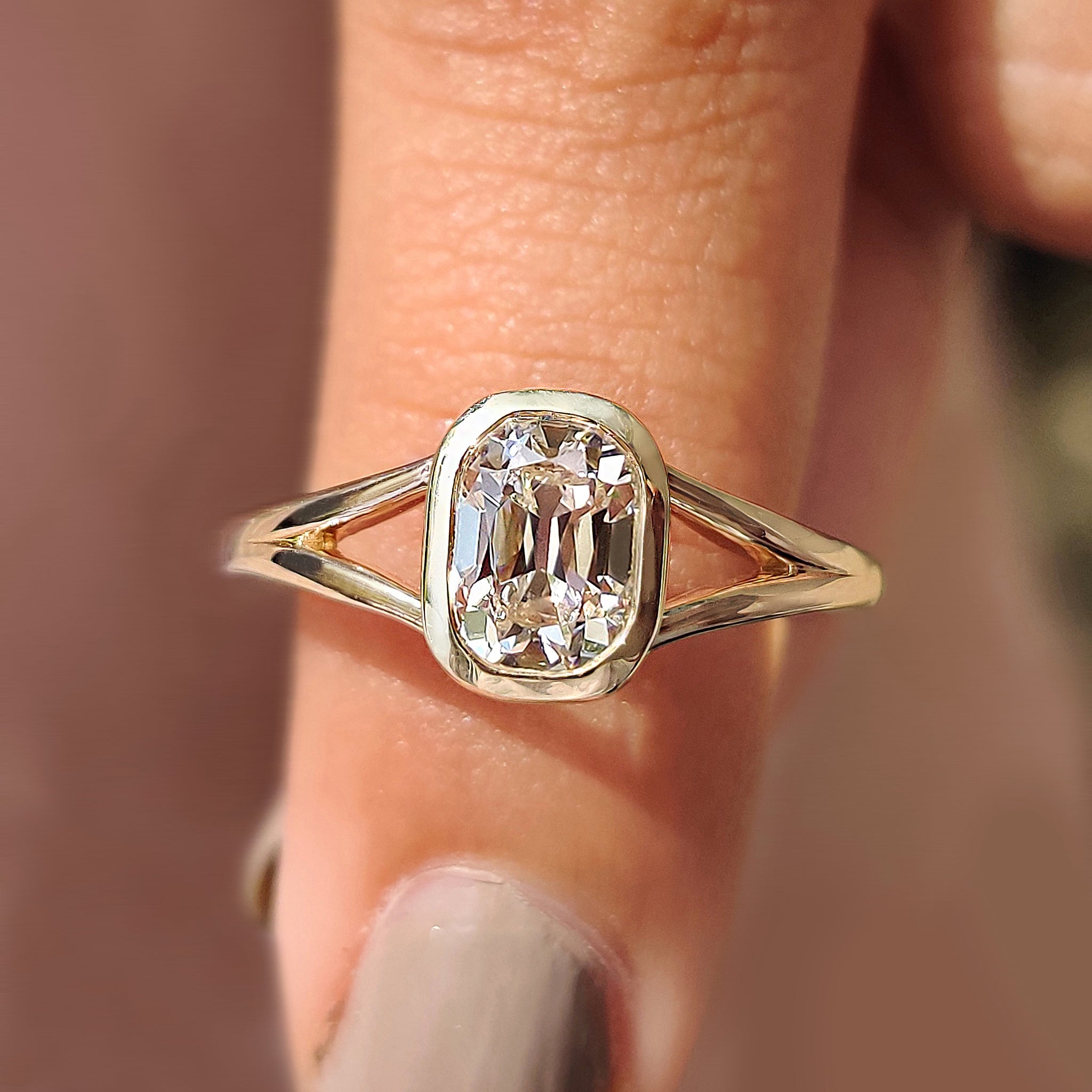
Bezel Set Cushion Old European Cut Diamond Ring
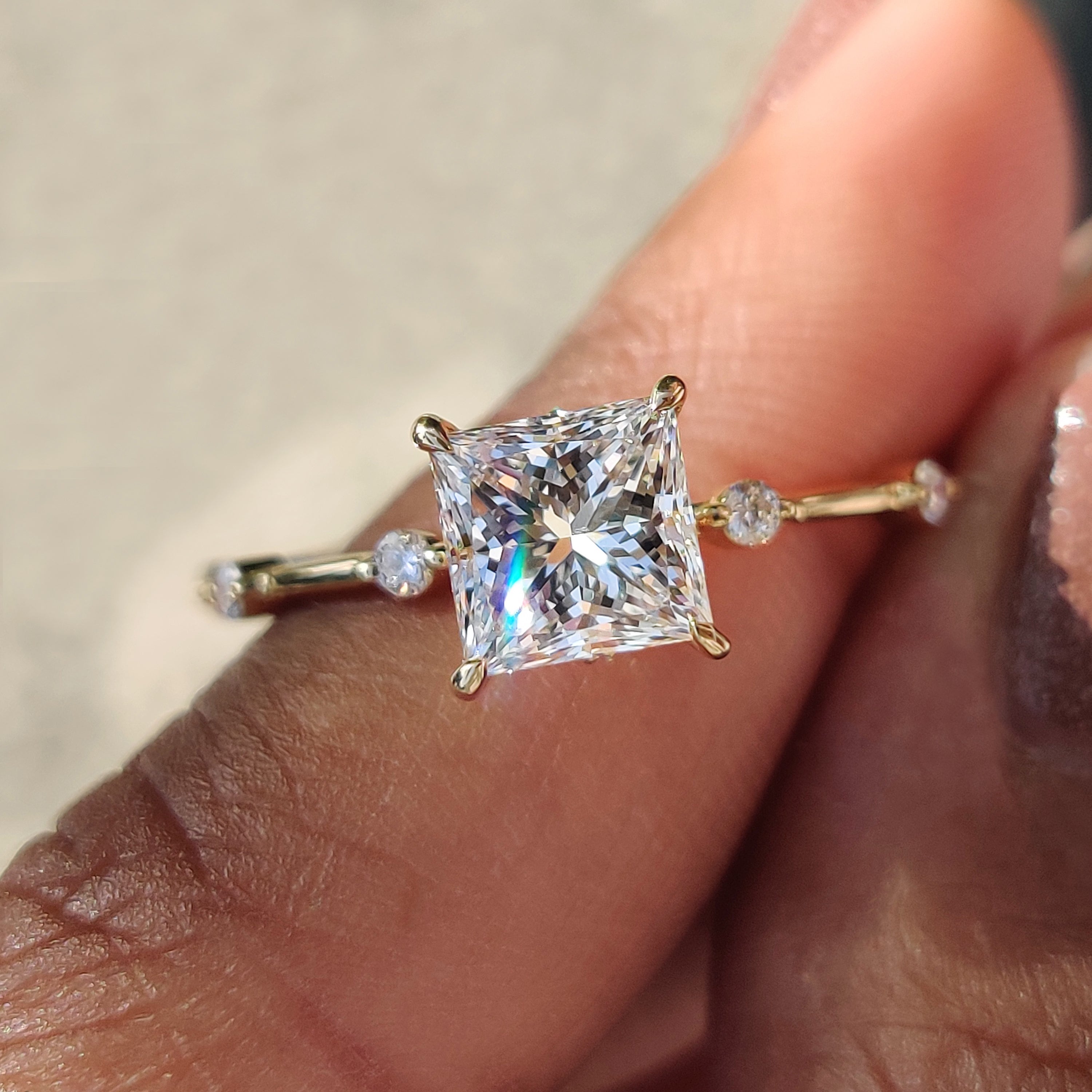
Princess Cut Diamond Ring In Distance Pave Setting
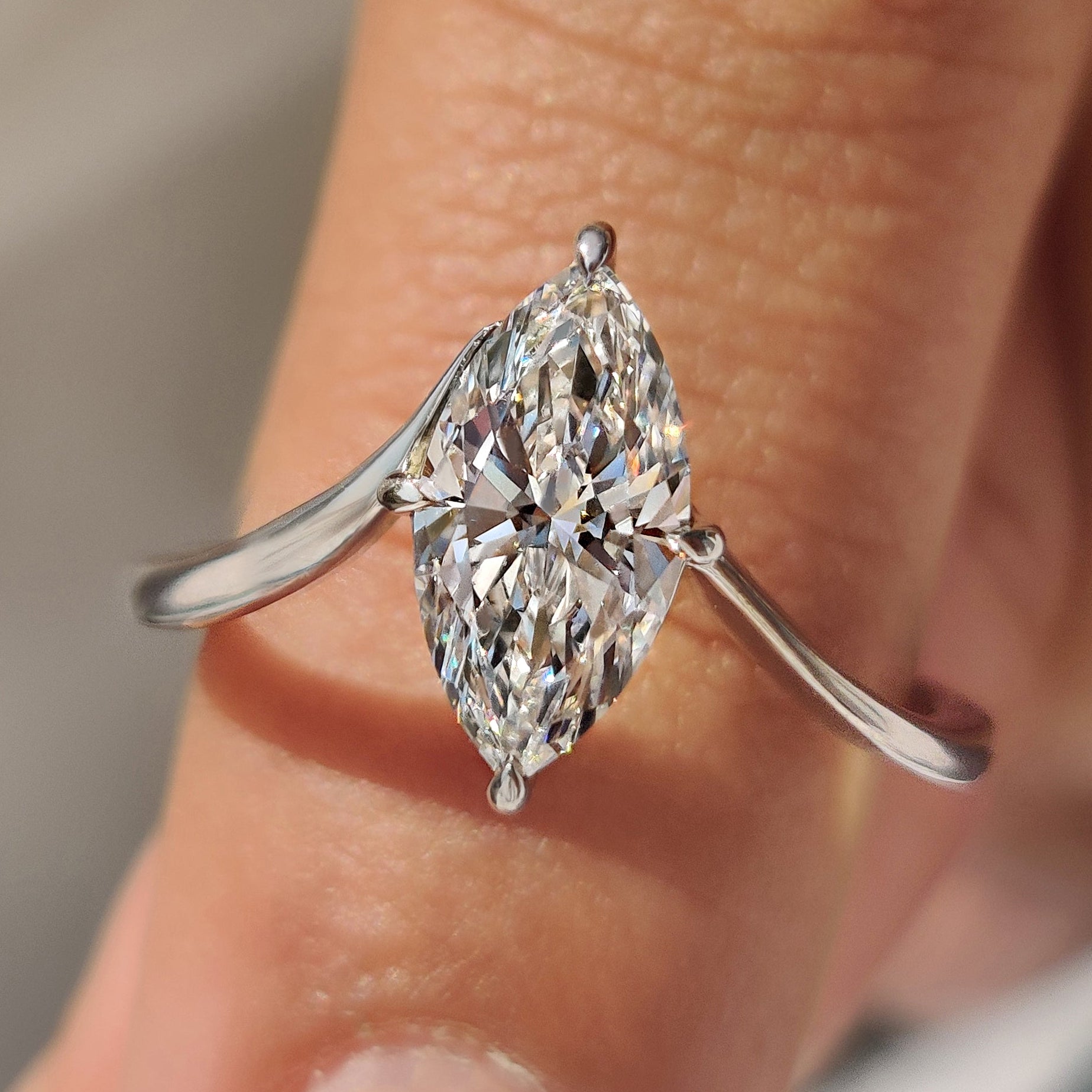
Marquise Cut Engagement Ring in Solitaire Style
Popular Setting Styles
-
Solitaire
A timeless design that highlights the center stone. -
Halo
Surround the center diamond with smaller diamonds to enhance sparkle and perceived size. -
Three-Stone
Represents the past, present, and future while adding visual presence. -
Bezel
Encircles the diamond with metal for enhanced protection and a contemporary look.
Metal Options
-
Platinum
Highly durable and naturally white. -
White Gold
Popular and affordable, but may require periodic rhodium plating. -
Yellow Gold
Classic and warm, often minimizing visible color in near-colorless diamonds.
Choosing the right combination depends on personal style, lifestyle, and maintenance preferences.
9. Ethical Sourcing and Diamond Origin
Modern consumers increasingly value transparency and responsible sourcing. Understanding where a diamond comes from can provide greater confidence in your purchase.
Conflict-free diamonds are sourced through supply chains designed to minimize the risk of funding violence or unethical practices. Many retailers also provide additional information regarding sustainability and responsible mining initiatives.
Buyers should also understand the difference between natural and lab-grown diamonds.
Natural diamonds are formed over billions of years beneath the Earth's surface. Lab-grown diamonds are created using advanced technology and possess the same physical and chemical properties as natural diamonds.
Both options have advantages, making personal priorities an important part of the decision-making process.
10. Budget Strategy: Maximizing Value
A smart budget strategy focuses on value rather than simply maximizing size. Understanding where to allocate your money can significantly improve your overall purchase.
For many buyers, the most effective approach is to prioritize:
- Cut Quality
- Certification
- Shape Preference
- Color
- Clarity
Additional expenses should also be considered, including:
- Jewelry insurance
- Routine maintenance
- Future resizing
- Upgrade programs
- Potential resale value
By balancing these factors, buyers can create a diamond purchasing strategy that delivers lasting satisfaction without unnecessary spending.
Quick Diamond Buying Checklist
✔ Excellent or Very Good Cut
✔ Eye-Clean Clarity
✔ Near-Colorless Color Grade
✔ Reliable Certification
✔ Suitable Shape
✔ Secure Setting
✔ Appropriate Metal Choice
✔ Ethical Sourcing Verified
✔ Realistic Budget Established
✔ Insurance and Return Policy Reviewed
Conclusion
Buying a diamond involves much more than evaluating the traditional 4Cs. While Cut, Color, Clarity, and Carat Weight remain essential considerations, additional factors such as certification, fluorescence, shape, setting, ethical sourcing, and budgeting can significantly influence your overall satisfaction.
The best diamond is not necessarily the most expensive one. Instead, it is the diamond that successfully balances beauty, durability, value, and personal preferences. By understanding all 10 factors discussed in this guide, buyers can make informed decisions and confidently compare certified diamonds before making a final purchase.
Ready to Choose the Right Diamond?
Make your diamond purchase with confidence. Explore certified diamonds available in a variety of shapes, sizes, and settings to find the perfect match for your special occasion.


